When beauty brings health hazards: A look at Rapeseed pollen and respiratory health
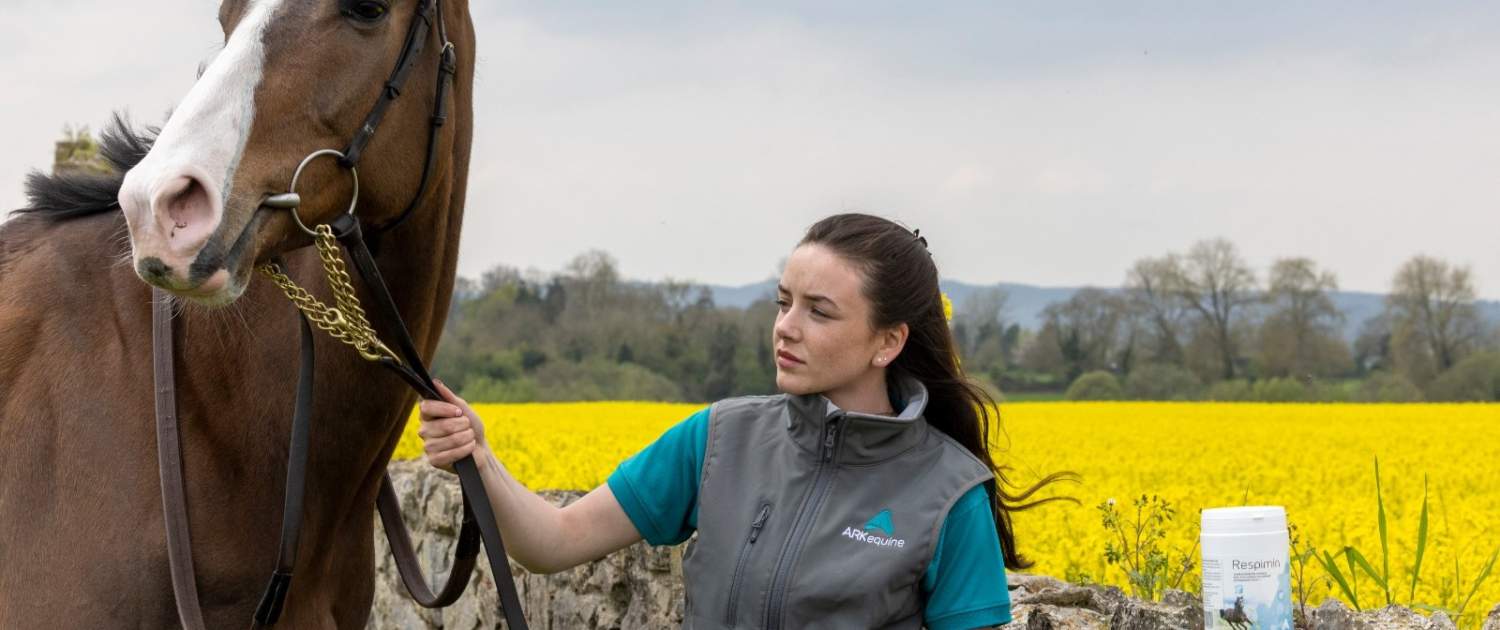
From rolling green hills to a sea of bright yellow flowers, the countryside provides a seemingly endless array of landscapes to absorb. Rapeseed provides a common sight that has firmly marked the arrival of Spring. However, whilst being a beautiful sight, crops of rapeseed are surrounded by controversy with the issues of respiratory health being brought very much to the fore.
What is rapeseed?
Rapeseed is a winter or spring oil crop belonging to the Brassica family (also includes mustard, cabbage, broccoli, cauliflower and turnip). Rapeseed is commonly planted as a break crop instead of cereals. It produces seeds, which are rich in oil and are extracted via a process of crushing and pressing. Depending on the crop, the oil produced serves a variety of purposes, including cooking oil, biodiesel, and industrial lubricants. Rapeseed meal is a byproduct of the oil extraction process and is commonly used as animal feed. The meal is high in protein and a good source of amino acids.
Rapeseed pollen is sticky and heavy, and heavily reliant on insects for distribution. Typically, its span for wind borne spread is relatively limited (less than 50 – 100 meters). As a result, most of the pollen is deposited close to the source and pollen concentrations will decrease as distance from the source increases. However, there are exceptions to this rule, and in certain circumstances rapeseed pollen has been found to travel several kilometers from the source plant.
Why does rapeseed pollen trigger a reaction?
It is important to note that not all horses will exhibit a reaction to rapeseed pollen. Those that do can vary greatly from a mild allergic reaction like hay fever, to something more akin to asthma. Whilst equine asthma is relatively commonplace for housed animals due to a combination of dust particles and poor ventilation, it is generally not something we consider to be a great problem while they are grazing at pasture. The occurrence of these events whilst at pasture is frequently referred to as summer pasture-associated obstructive pulmonary disease. Many factors influence the potential for this to occur including genetic predisposition and exposure to certain aeroallergens (including those from rapeseed pollen). Generally speaking, it is a protein element in the pollen that induces these reactions. However, it has also been reported that rapeseed emits volatile organic compounds (VOCs) that can frequently irritate the mucous membranes and may contribute to the development of this syndrome.
Reactions and subsequent clinical signs can be variable, ranging from head shaking and runny nose, to difficulty breathing. This asthma-like presentation occurs due to spasm of the muscles in the lower airways of the lungs. This spasm causes the airway to constrict (become much smaller) and consequently makes breathing more difficult (imagine trying to breathe through a straw). There is also an increase in airway secretions (mucous) which can act to effectively plug the airway. Subsequently the horse will have to revert to panting in an attempt to get a sufficient oxygen supply and we may see these horses with flared nostrils. If affected animals are exercising during this period, it is likely that they will tire more quickly as muscles are not being supplied with adequate oxygen.
Can a horse develop long lasting respiratory problems?
As we’ve already discussed, there are a number of factors that influence the development of an allergic reaction to rapeseed pollen. It is likely that should a younger horse develop these issues, then certain management tools should be put in place to minimize the potential for any future problems. Currently there is no evidence to suggest that if a foal or weanling were to develop a respiratory flare up as a direct consequence from rapeseed pollen that they would go on to have a lifelong problem. But they are definitely at more risk of subsequent flare-ups from recurrent exposure.
Is there an increased risk of a horse developing exercise-induced pulmonary haemorrhage (EIPH)?
EIPH is a condition characterized by bleeding in the lungs during or after exercise that can result in reduced athletic performance and respiratory distress. It is certainly possible that pollen (including the aeroallergens from rapeseed) can trigger asthma-like symptoms indicated previously which may increase the risk of developing EIPH. Anything that constricts airflow or compromises respiratory function can increase the potential for bleeding. Pulmonary blood vessels (capillaries) are extremely thin walled to allow the rapid exchange of gases; i.e. oxygen is taken into the bloodstream and carbon dioxide is excreted. The thin nature of these vessels means that with increased pressure they are at risk of rupturing and thereby resulting in bleeding into the lung tissue. We are more likely to see problems of EIPH in racehorses or eventers that are required to exert greater physical efforts on a regular basis in either training or competition, with proximity to high pollen areas poses a significant risk to the occurrence of such episodes.
How can at risk horses be managed?
The primary management goal is to maintain good overall respiratory health. If we know rapeseed is triggering an allergic response, then reducing or eliminating exposure to pollen or aeroallergens will certainly help. The additional use of supplements that support respiratory function and health can be extremely beneficial. Many of these will provide multiple benefits including: to help open the airways thereby improving airflow, assist with mucous breakdown and expulsion, and soothe the respiratory system from any irritants.
It is difficult to completely eliminate all potential allergens that a horse may be exposed to but early identification of a problem and good management should result in an uninterrupted training or competition program.
Ian Rountree MVB
For recommended respiratory products go to Respimin.