EQUINE LAMINITIS
Laminitis is connected to 7% of all equine deaths (Royal Veterinary College, 2023)
Laminitis is connected to 7% of all equine deaths (Royal Veterinary College, 2023)
Laminitis is a debilitating and potentially life-threatening condition affecting horses, ponies, and donkies. It causes inflammation and degeneration of the laminae, the sensitive tissues that connect the pedal bone (coffin bone) within the hoof wall. This weakens the bond, leading to potential rotation or sinking of the pedal bone, resulting in severe pain and lameness.
Although it can be deadly, modern management techniques and supplements can help horses thrive after a laminitic flare up! Through careful management of your horses’ lifestyle, and with help from your vet and farrier, many horses can go on to live their lives comfortably with many even able to have ridden careers!
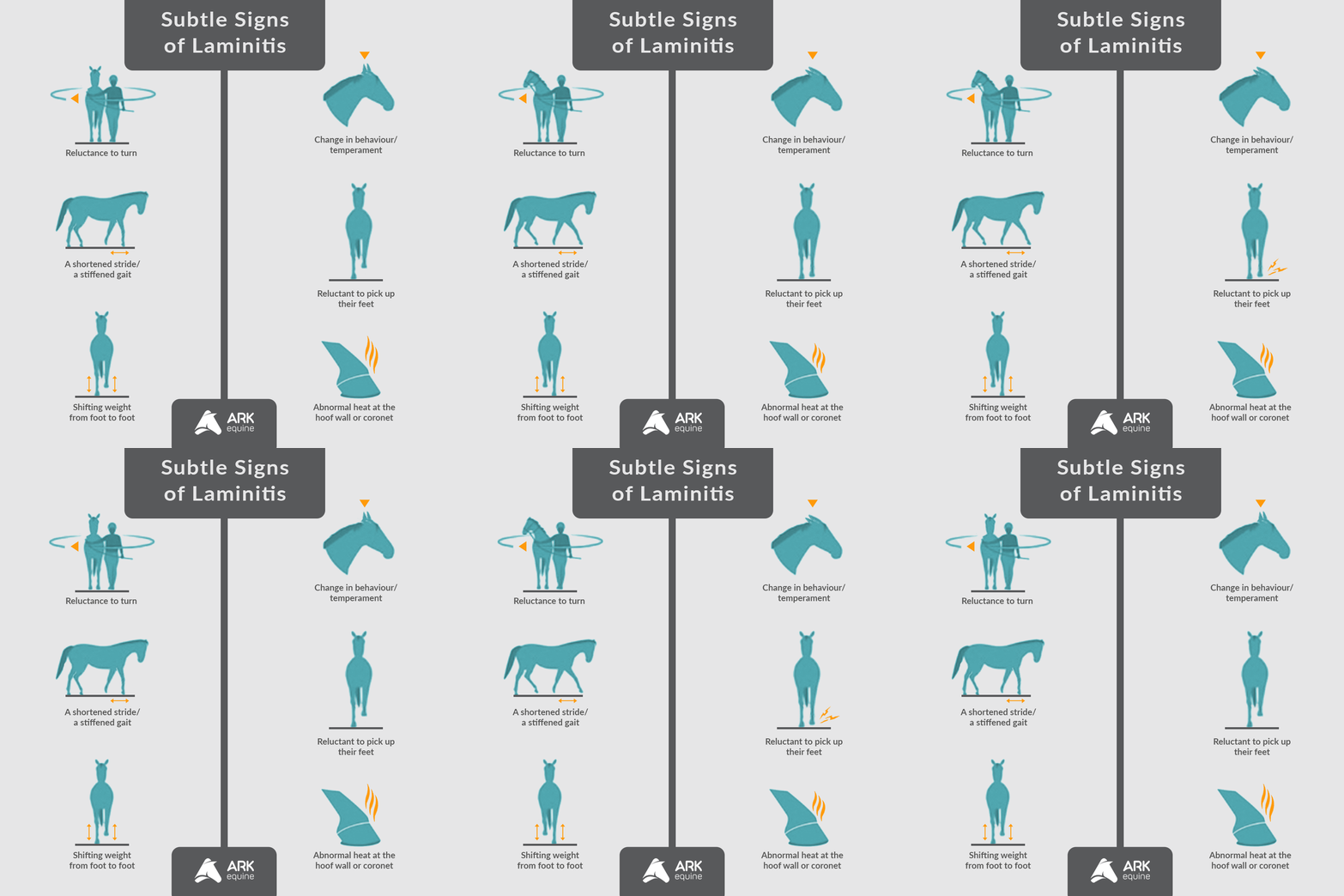
Laminitis can present itself in many different ways depending on the severity of each case.
Take a look at the infographic opposite if you suspect your horse may be suffering with the condition.
It shows the subtle signs of lamintis in horses you need to look out for.
For more on signs and symptoms of laminitis in horses (or ponies) click here.
Want to know more about laminitis, read our five in-depth articles written by our team of veterinary experts and nutritionists to help you understand and manage equine laminitis. Alternatively, you can download your FREE copy here.
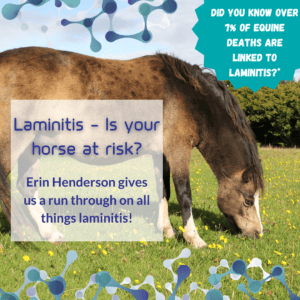
Erin Henderson takes us through the ins and outs of equine laminitis in this insightful overview. From its causes and symptoms to diagnosis and treatment, delve into the crucial preventive measures every horse owner should know. Learn how balanced nutrition, exercise, and meticulous hoof care can safeguard your equine companion from this painful ailment. To read the full article click here.
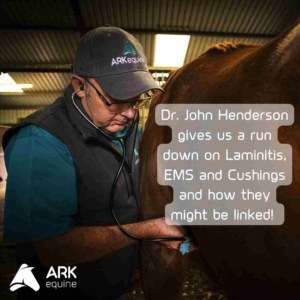
Dr John Henderson explores the intricate relationship between Cushing’s disease, equine metabolic syndrome, and laminitis in horses. Uncover the link between these conditions and their impact on hoof health. Discover essential insights into diagnosis, treatment, and preventive measures to safeguard your horse’s well-being against these interrelated challenges. To read the full article click here.
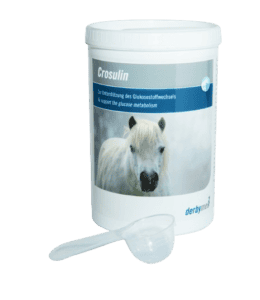
To supplement for laminitis, ARKequine recommends derbymed’s Crosulin.
It works in the body by supporting the harmonisation of glucose and consequently reduces disorders like laminitis. It contains L-carnitine (to support energy production), antioxidants and herbal extracts (to help increase blood circulation) and components like Shepherd’s Purse, Yeast, Fenugreek and Spirulina with naturally high levels of chromium that regulate the acceptance of glucose into the body.
Dr Ian Rountree delves into the complexities of non-dietary laminitis in horses. Gain valuable insights into recognizing this condition beyond dietary factors. Discover key signs, diagnostic approaches, and effective treatment strategies to address non-dietary triggers and ensure the optimal hoof health of your equine companion. To read the full article click here.
If you would like expert advice on the best feed for horses with lamintis or how to supplement a horse with laminitis, simply complete the Nutritionist Support form and our ARKequine nutritionist will be in touch in person by phone or virtually.
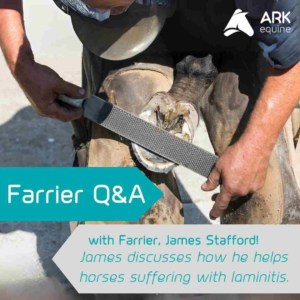
In this exclusive interview with registered farrier James Stafford, James gives us some brilliant insights into how he helps owners and animals after a laminitis diagnosis. Learn how vets and farriers work closely together ensuring correct trimming and shoeing to keep horses as comfortable as possible! To read the full article click here.
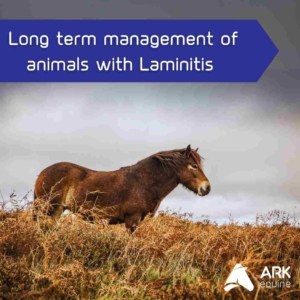
Navigate the realm of long-term laminitis management for equine companions. Uncover invaluable strategies and techniques to provide ongoing care and support for horses affected by this challenging condition. From hoof care to dietary adjustments, explore comprehensive approaches to ensure the well-being and quality of life for laminitis-affected horses. To read the full article click here.
Join our email list for expert equine nutrition advice, product news and exclusive offers
for Ireland & the UK.